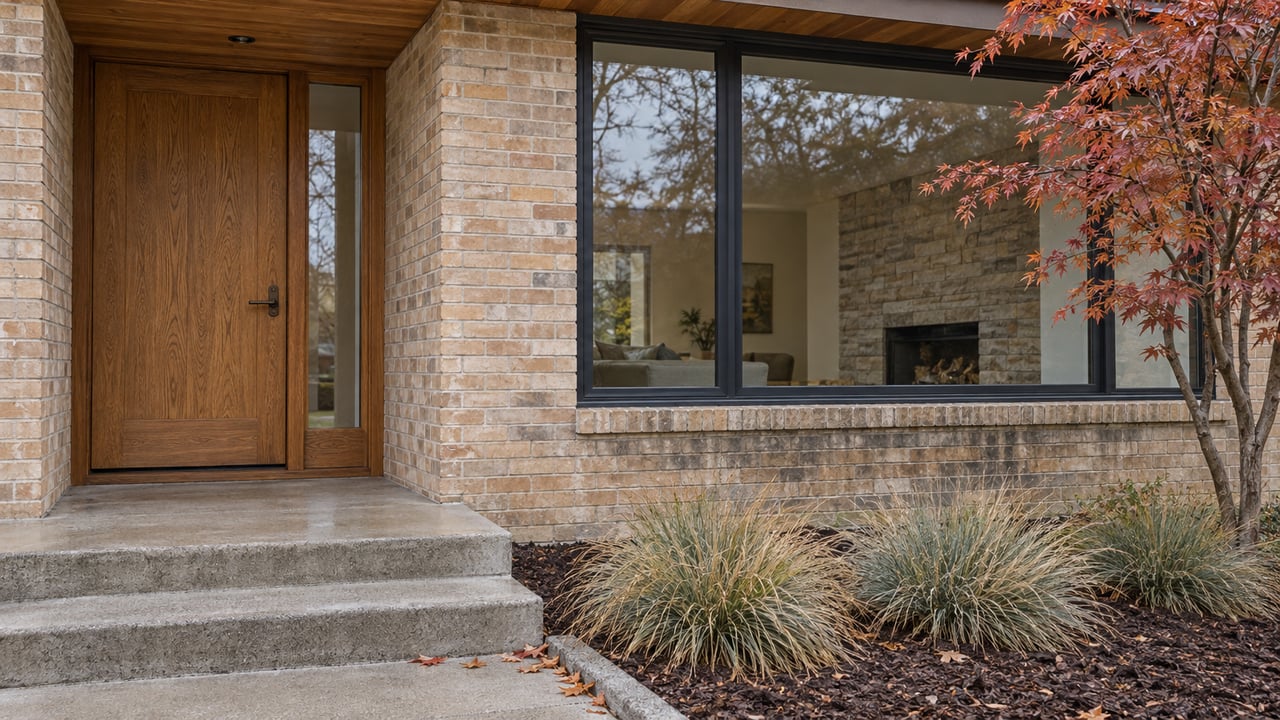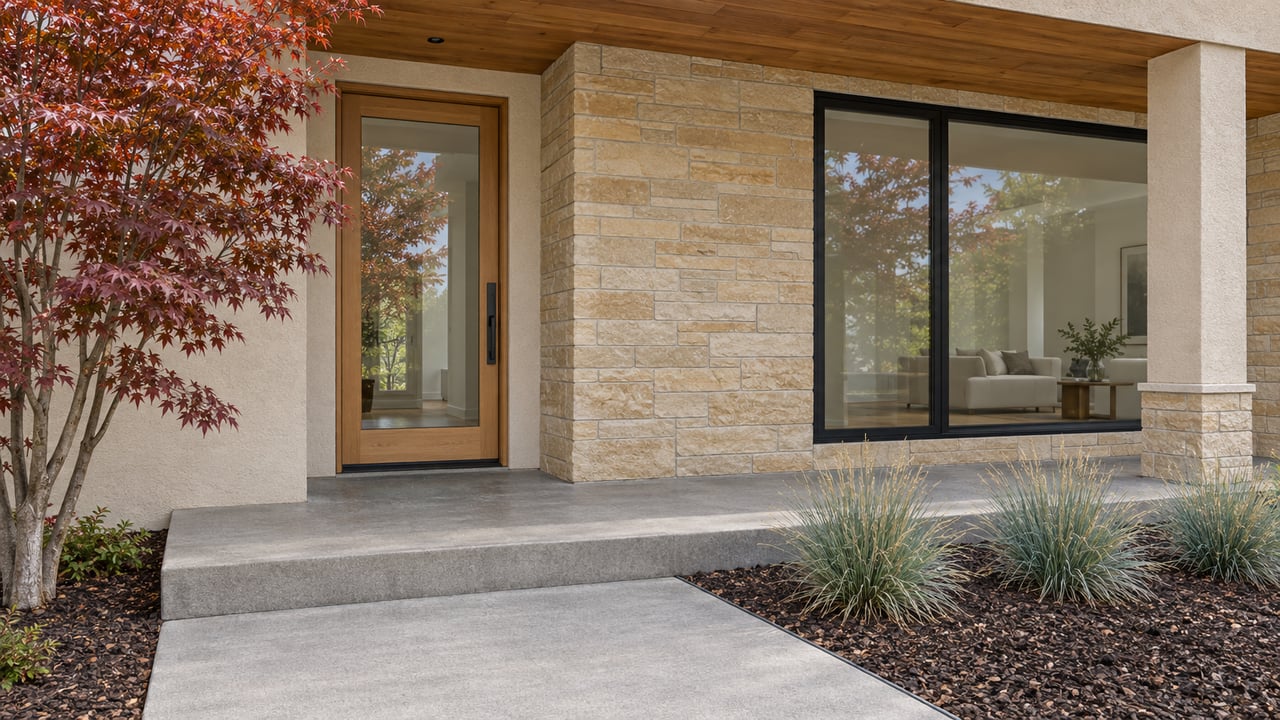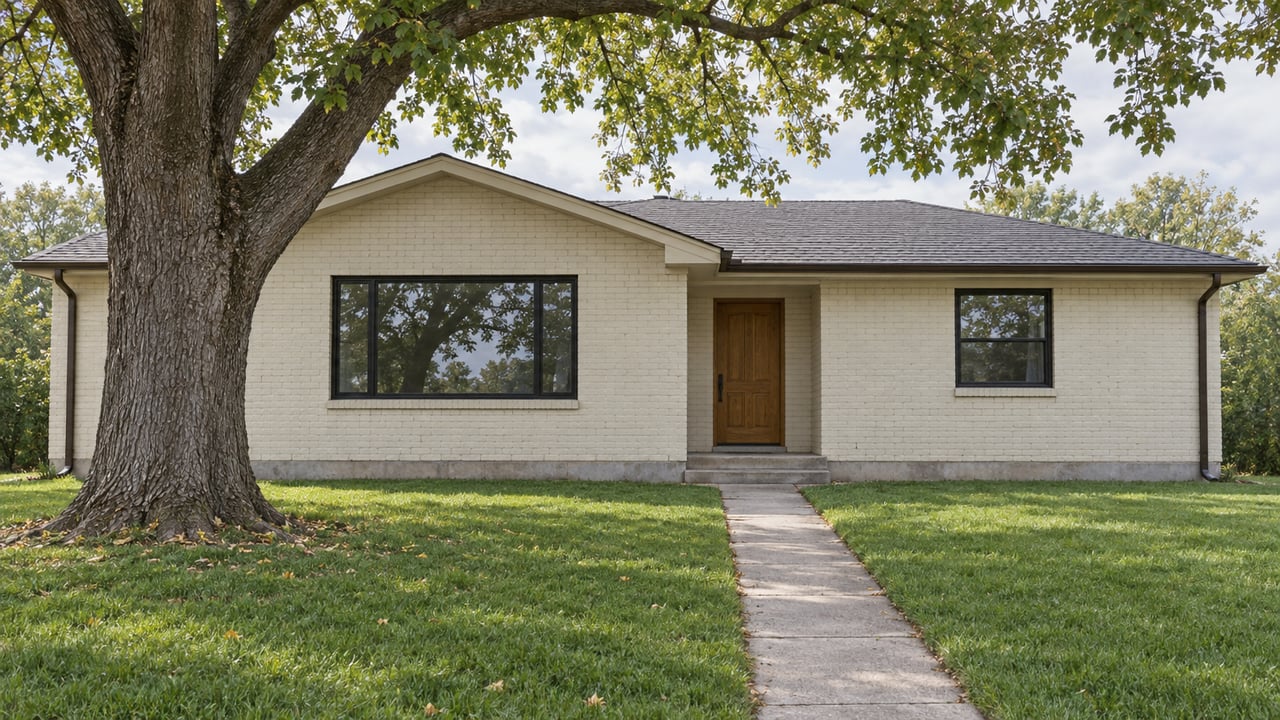
Drive down Kootenai Street or Alpine on a September afternoon and the canopy is the whole pitch. Sixty-year-old shade trees arch over mid-century ranches and the occasional Tudor cottage, the kind of tree-lined block that agents point to as the reason the Boise Bench sells itself. Four feet under that same street, in the older pockets of Central Bench, Hillcrest, Borah, and Depot Bench, sits a sewer lateral that's just as old as the trees above it, made of clay pipe with joints every few feet, and roots have had six decades to find every one of them.
The pipe under the pretty street has a specific origin story
The Bench wasn't always on city sewer. Through the 1940s and into the 1950s, houses in South Boise ran on individual septic tanks, because the trunk lines hadn't reached that high ground yet. The push to change that came from the League of Women Voters of Boise, who campaigned in 1947 for a treatment plant to stop untreated sewage from reaching the Boise River. The city eventually awarded a construction contract to Morrison-Knudsen in November 1959, and crews spent the following years trenching residential streets across the Bench to connect houses that had been managing their own waste for a generation.
That timeline matters for anyone buying a pre-1965 Bench home today. It means the lateral connecting the house to the street wasn't part of the original 1940s construction. It was added later, often in clay pipe, which comes in short sections that get bolted together with far more joints than a single continuous run would need. Every joint is a place roots can enter once the pipe seal ages. The same mature landscaping that makes a Hillcrest or Crescent Rim listing photograph beautifully has spent decades sending roots toward the warmth and moisture inside that pipe.
A standard inspection doesn't look underground
A general home inspection on the Bench catches plenty. Local inspectors routinely flag the era-specific problems you'd expect in a neighborhood built mostly in the 1940s and 1950s: mixed generations of wiring behind the same wall, aging panel boxes, and the galvanized steel supply pipe that was standard before copper became the norm. Hyde Park Plumbing, a Boise plumbing company, describes cutting into pre-1960 galvanized pipe on the Bench and finding rust deposits that have narrowed the interior from the size of a nickel to the size of a pencil, a problem compounded by Boise's hard water, measured at 12 to 17 grains per gallon. Treasure Valley Home Inspectors, which says it has inspected more than a thousand homes across the region, lists corroded valves and older water heaters among the frequent finds in its walkthroughs.
None of that requires a special add-on. A visual inspection covers what's visible: the panel, the fixtures, the crawlspace. The sewer lateral runs underground, outside the house, past the property line to the city main, and seeing inside it requires a separate camera scope that most standard inspection packages don't include by default. It has to be ordered.
| What a standard inspection covers | What a sewer scope covers |
|---|---|
| Visible plumbing, fixtures, water heater | The underground lateral from house to street main |
| Panel box, visible wiring, outlets | Root intrusion, pipe offsets, cracked joints |
| Crawlspace moisture, foundation cracks | Pipe material and remaining service life |
| Roof, attic, structure | Not the roof, attic, or structure |
Boise doesn't require anyone to look
Some cities have closed this gap by law. SAMCAR says Burlingame, California, requires any property changing hands with structures more than 25 years old to have its sewer lateral tested for leaks, with repairs completed before the title transfers. The city's Public Works Department maps service line locations and issues permits when a homeowner installs or repairs a line.
Idaho's disclosure law doesn't close the gap either. Sellers complete the state's RE-25 Seller's Property Condition Disclosure form and have ten calendar days after accepting an offer to deliver it, per Idaho Code Title 55, Chapter 25. But the form only obligates a seller to disclose what they actually know. The form itself says it plainly:
"the Seller has not conducted any inspection of generally inaccessible areas such as the foundation or roof"
A sewer lateral is about as inaccessible as it gets. A seller who has never had a backup, never smelled anything off, never had a plumber out can answer every relevant question "no" in complete good faith, even if roots have already worked their way through three joints under the front yard. The RE-25 Seller's Property Condition Disclosure form gives the buyer three business days to rescind after receiving that disclosure.
What this looks like when it goes wrong
Clay and cast iron laterals fail in a predictable pattern once roots get established. Small amounts of debris catch on rough intrusion points, water flow slows, and eventually a full backup shows up in the lowest drain in the house, usually a basement floor drain or a ground-floor shower. Repairs on this kind of issue run in a wide range depending on how much of the pipe needs to come out. Contractors who work on cast iron and clay lines describe spot repairs landing in the low thousands, while full under-slab or trench replacement climbs into the tens of thousands once excavation and permitting are involved. The variation comes down to one thing: how much of the original run has to be replaced.
That range explains why the timing of the discovery matters as much as the discovery itself. Finding a compromised lateral during a pre-listing inspection gives a seller time to get bids, choose a contractor, and decide whether to repair or price the disclosure into the sale. Finding it after a buyer moves in removes all of that choice.
What to actually do with this
If you're selling a pre-1965 Bench home, ordering a sewer scope before you list puts you in control of the timeline instead of reacting to a buyer's inspection contingency. If a repair is needed, you get to choose the contractor and the schedule rather than negotiating against a closing date. If the line comes back clean, you now have a report that answers the question before a buyer has to ask it.
If you're buying one, ask your inspector whether a lateral scope is included or needs to be added separately, and if the seller has ever had one done, ask to see it. A camera scope adds a modest cost to an inspection package relative to what a surprise repair costs later, and it answers a question the disclosure form was never designed to cover.
FAQ
What does Idaho's RE-25 disclosure form require sellers to report? Idaho's RE-25 disclosure form only requires sellers to report defects they're actually aware of.
Is this only a concern for older Bench homes? The septic-to-sewer conversion history applies specifically to homes that predate the city's sewer expansion into South Boise in the late 1950s and early 1960s. Newer construction on the Bench, including recent infill, connects directly to modern sewer lines and doesn't carry the same retrofit history.
Is a sewer scope included in a standard home inspection? It's typically ordered as an add-on to a standard home inspection rather than included automatically, so it's worth asking for by name rather than assuming it's covered.
If you're weighing a Boise Bench purchase or getting a mid-century home ready to list, I'd rather walk you through exactly what to ask for at each stage than have you find out the hard way. Reach out to Glenda Phua and let's talk through what your specific address needs before you're under contract.
This article is general information, not legal, tax or financial advice. Consult a qualified professional about your situation.