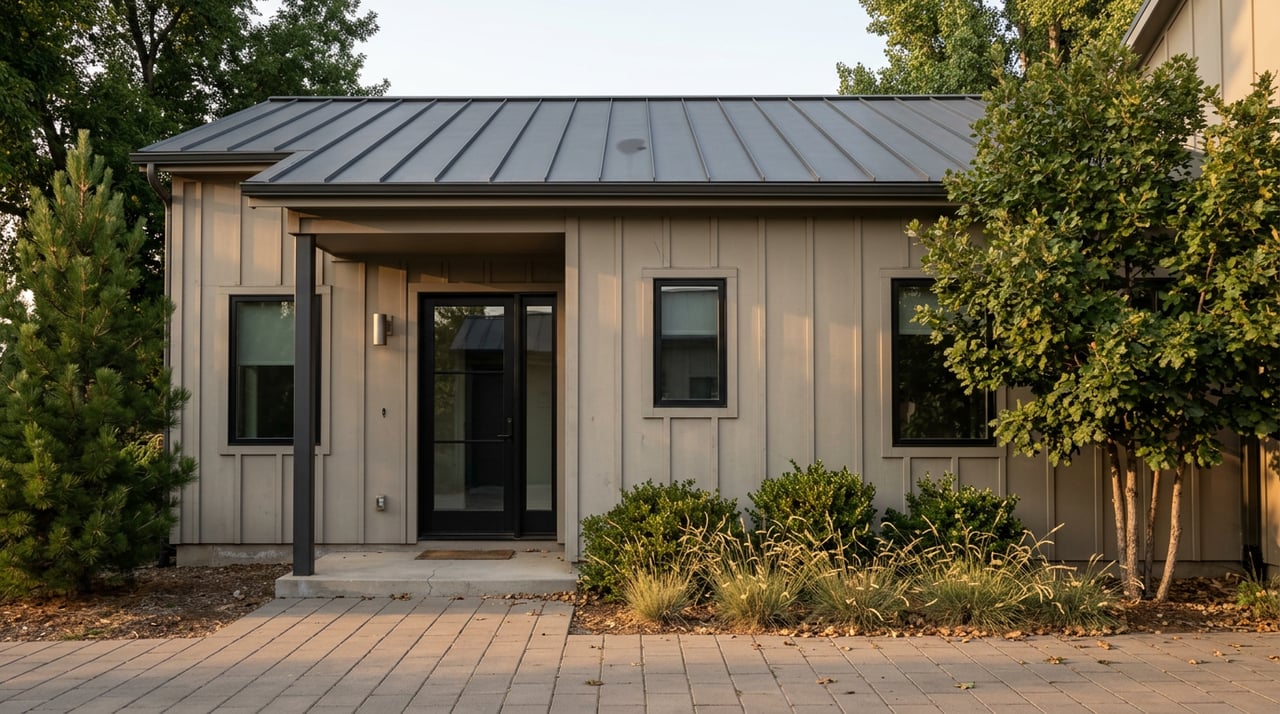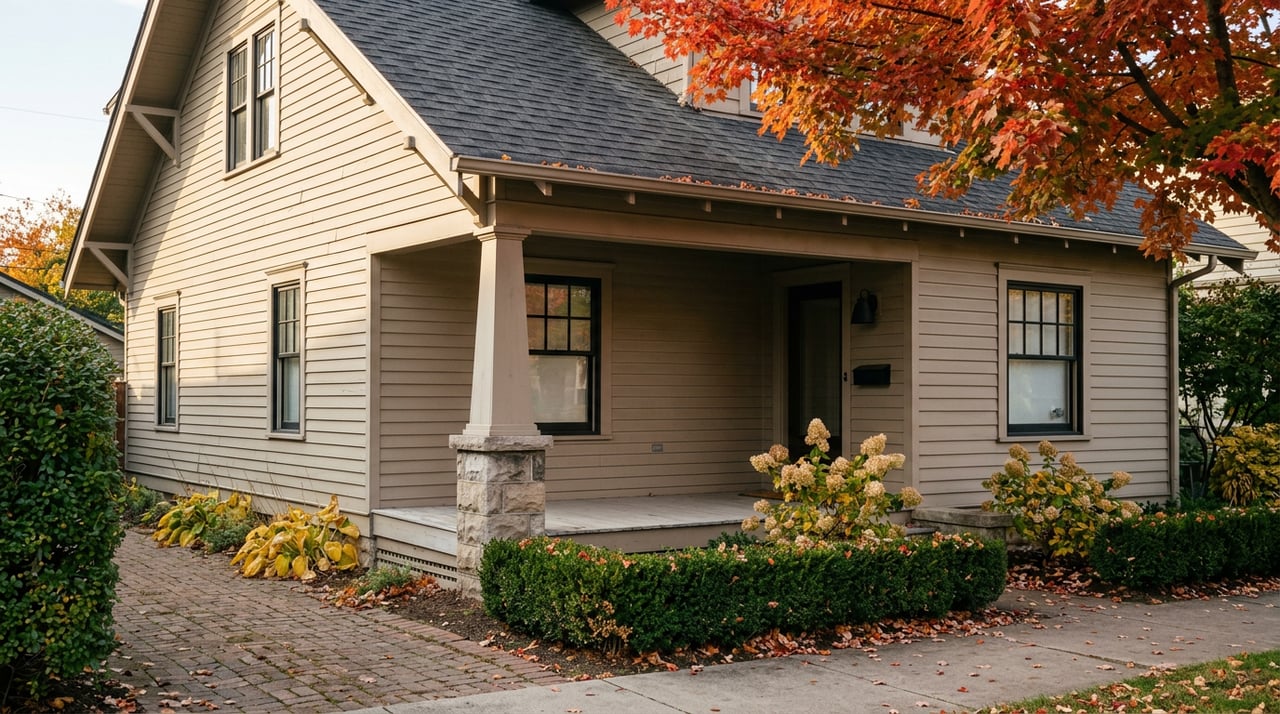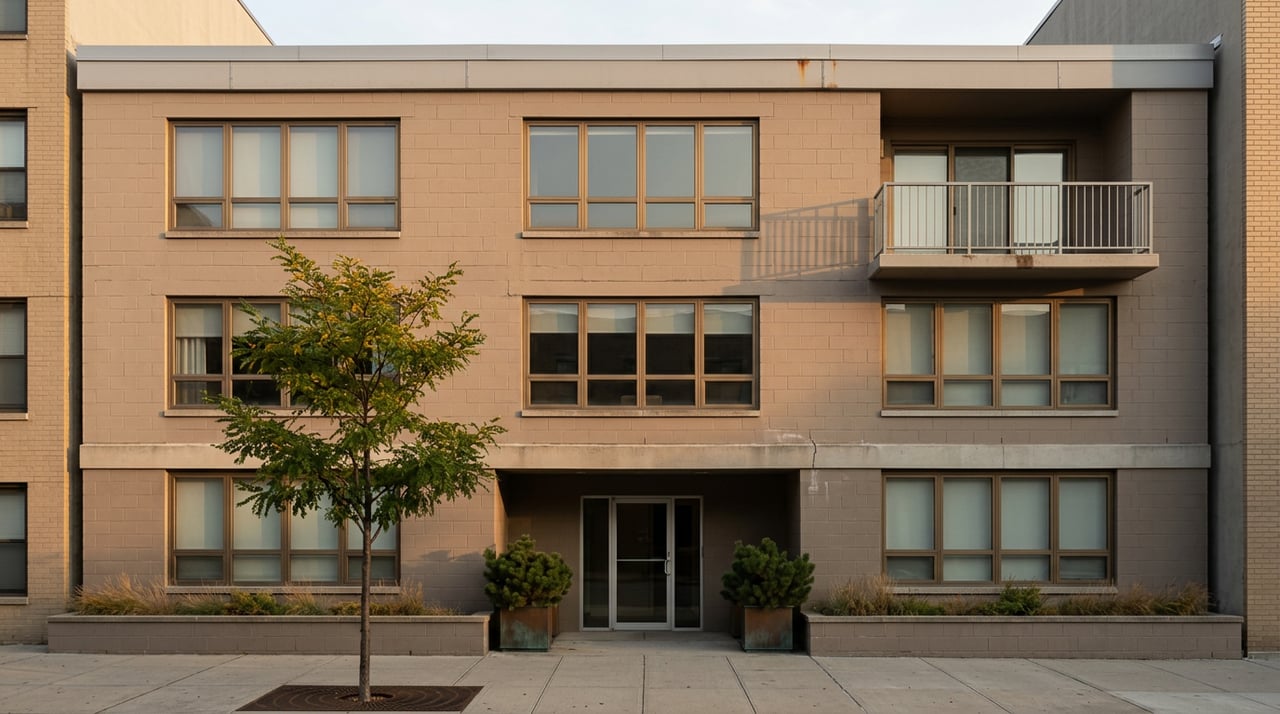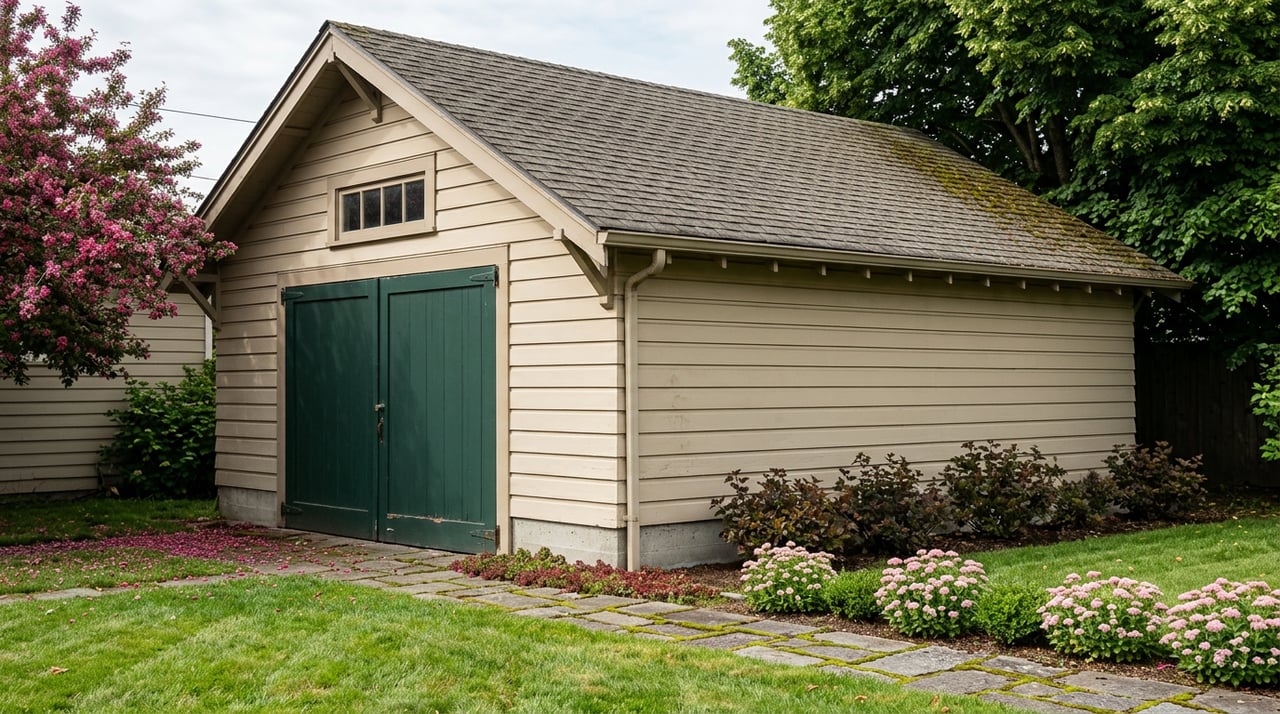
A buyer walks a bungalow on Brumbach or Alturas with a detached garage in the back corner of the lot. The listing agent mentions accessory dwelling units almost in passing, since half of Boise seems to be building them now. The buyer pencils out the numbers: convert the garage, add a bathroom and a kitchenette, rent it out, offset the mortgage. Then they call the city and find out the garage conversion they were counting on is very likely off the table, not because of cost or contractor availability, but because the North End runs on a second rulebook that the rest of Boise's 2023 to 2026 ADU reforms never touched.
That gap between the citywide story and the North End's actual rules is the thing worth understanding before anyone writes an offer expecting rental income from a historic property.
The city loosened its rules. The North End kept its fine print.
Boise has spent the last three years making accessory dwelling units easier to build almost everywhere. The 2023 zoning code rewrite eliminated the owner-occupancy requirement and dropped mandatory extra parking spaces for ADU projects. The maximum size grew from 700 square feet to 900 square feet, or 70 percent of the primary home, whichever is smaller. On the legal side, Idaho's HB 166 stops new HOA covenants from banning ADUs on owner-occupied properties, and 2026's SB 1354 goes a step further, blocking associations from adding or enforcing new ADU restrictions without the affected owner's written agreement.
The permit numbers show what that liberalization actually did. Boise averaged around 61 ADU permits a year between 2019 and 2023. That number more than doubled to 130 in 2024, with 82 more constructed or approved in 2025.
None of that momentum changes what happens once a property sits inside the North End Historic District, which is Boise's largest historic district and one of ten in the city. The historic overlay isn't a city preference that can be phased out with a zoning update. It runs on Idaho Code 67-4608, which requires a Certificate of Appropriateness before any exterior alteration, addition, or demolition inside a designated historic district, regardless of whether a building permit is also required. That statute doesn't bend for a citywide ADU push, and it doesn't care how relaxed the parking or occupancy rules have become three blocks away in a non-historic zone.
What a Certificate of Appropriateness actually requires
Anyone planning to touch the exterior of a North End home beyond basic repair needs to know this process by name, because it decides both the timeline and the design.
A Certificate of Appropriateness, or C of A, gets triggered by a longer list of projects than most buyers expect. Removing a tree, installing a non-wood fence, replacing windows, building an addition, porch, or deck, and any demolition all require one. Interior work is generally exempt, but exterior work almost never is.
The review splits into two tracks. Minor changes go through an administrative Type 2 review, handled by staff without a public hearing, with a 15-day review window. Major changes go to a hearing-level Type 3 review before the Historic Preservation Commission itself, which meets the last Monday of each month. Either way, there's a 10-day appeal period after the decision before a building permit can even be pulled. Add it up and a straightforward historic-district ADU project routinely adds four to eight weeks to the permitting timeline compared to the same project in a non-historic part of Boise.
Skipping this step carries real teeth, not just a slow-down. The North End Neighborhood Association is direct about the consequences: homeowners who alter a historic property without approval can be charged with a misdemeanor, face fines, and be ordered to remove the unapproved work entirely. That last outcome, tearing out a finished addition or a new fence because the paperwork came after the fact, is the kind of cost nobody budgets for going in.
Why the garage conversion idea usually dies first
Here's the specific friction that catches so many North End buyers off guard. Boise's ADU code allows garage conversions citywide, but only if the parking that garage currently provides can be legally relocated somewhere else on the property. In most of Boise's newer subdivisions, that's a solvable problem. In the North End, it frequently isn't.
The district's original lots were platted small, commonly around 25 feet by 122 feet, with most early buyers combining two or three to get 50 or 75 feet of frontage. Even on a combined lot, the buildable footprint after historic setbacks, existing additions, and mature trees often leaves nowhere legal to put a replacement parking space. When that's the case, the garage conversion path closes before the design conversation even starts, and the buyer is left choosing between a costlier detached new-build ADU or dropping the rental-income plan altogether.
Beyond the garage-conversion question, the design guidelines shape everything above ground. Vinyl replacement windows aren't permitted anywhere in Boise's historic districts, full stop, which pushes buyers toward wood or approved alternative materials that cost more up front. New construction and additions are also expected to respect the district's overall scale and simple massing as seen from the street rather than maximizing square footage.
The hidden cost layer: old lumber, new code
Even projects that clear the Certificate of Appropriateness hearing run into a second, quieter cost driver: the house itself. A pre-1950 North End home was framed with lumber cut to true dimensions, so a 1920s "2x4" measures close to a full 2 inches by 4 inches, while a modern 2x4 measures 1.5 by 3.5 inches. That mismatch means standard drywall, trim, and door jambs don't fit without shimming or custom milling, and wall cavities and ceiling heights can vary from room to room in ways a contractor can't predict from a set of plans. Experienced remodelers account for this with on-site measuring and custom-fit solutions, but it typically adds 10 to 20 percent to framing and finish labor costs compared to a post-1970 home. A structural engineer's assessment, usually $500 to $1,200, is worth budgeting for before any major renovation on a home this old, historic district or not.
The one real offset: Idaho's rehabilitation tax credit
There's a piece of good news buried in all of this friction. Idaho offers a state income tax credit equal to 20 percent of qualified rehabilitation expenditures for properties listed on the National Register of Historic Places, and it can be combined with the federal historic tax credit for income-producing properties. Most residential-only projects won't qualify for the federal credit, but the state credit alone can meaningfully offset the added cost of matching historic materials and clearing design review, provided the home carries National Register status and the work qualifies. It's worth confirming a specific property's listing status early, since not every home inside the local historic district is separately listed on the National Register.
What this means before you write an offer
None of this makes a North End purchase a bad idea. It means the math a buyer runs on a Bench or Southeast Boise property, where ADU rules have gotten dramatically simpler over the past three years, doesn't transfer directly to a property on Harrison Boulevard or Hays Street. The smart move is to check a specific address against Boise's historic district map before assuming a garage conversion, an addition, or even a fence swap will go the way it would elsewhere in the city, and to start the Certificate of Appropriateness conversation with Planning and Development Services at the same time as any building permit application, not after.
FAQ
Does the Certificate of Appropriateness requirement apply to every home in the North End, or just some of them? It applies to any property within the designated historic district boundary, though whether your specific home is "contributing" or "non-contributing" to the district can affect how strictly a proposed change is reviewed. Both classifications remain subject to the Historic Preservation Ordinance.
Can I still build a detached ADU in the North End if a garage conversion doesn't work? Yes. A detached ADU or a new single-family home built with an internal or detached accessory unit remains an option, subject to the same Certificate of Appropriateness review and the district's design guidelines on scale and street-facing character.
Do these rules only apply to additions, or does routine maintenance trigger review too? Basic repair and maintenance generally don't require a Certificate of Appropriateness. It's alterations beyond that, from window replacement to fence changes to any addition or demolition, that put a project in front of staff or the Historic Preservation Commission.
Buying or renovating in a historic district rewards patience and the right questions asked early, not after a contractor has already broken ground. If you're weighing a North End purchase against a property elsewhere in the Treasure Valley and want a clear-eyed read on what a specific address will and won't allow, Glenda Phua can walk through the practical side of that decision with you. Let's Connect.